Tooth extraction cost calculator
Estimate what a tooth extraction will cost you after any insurance or rebate.
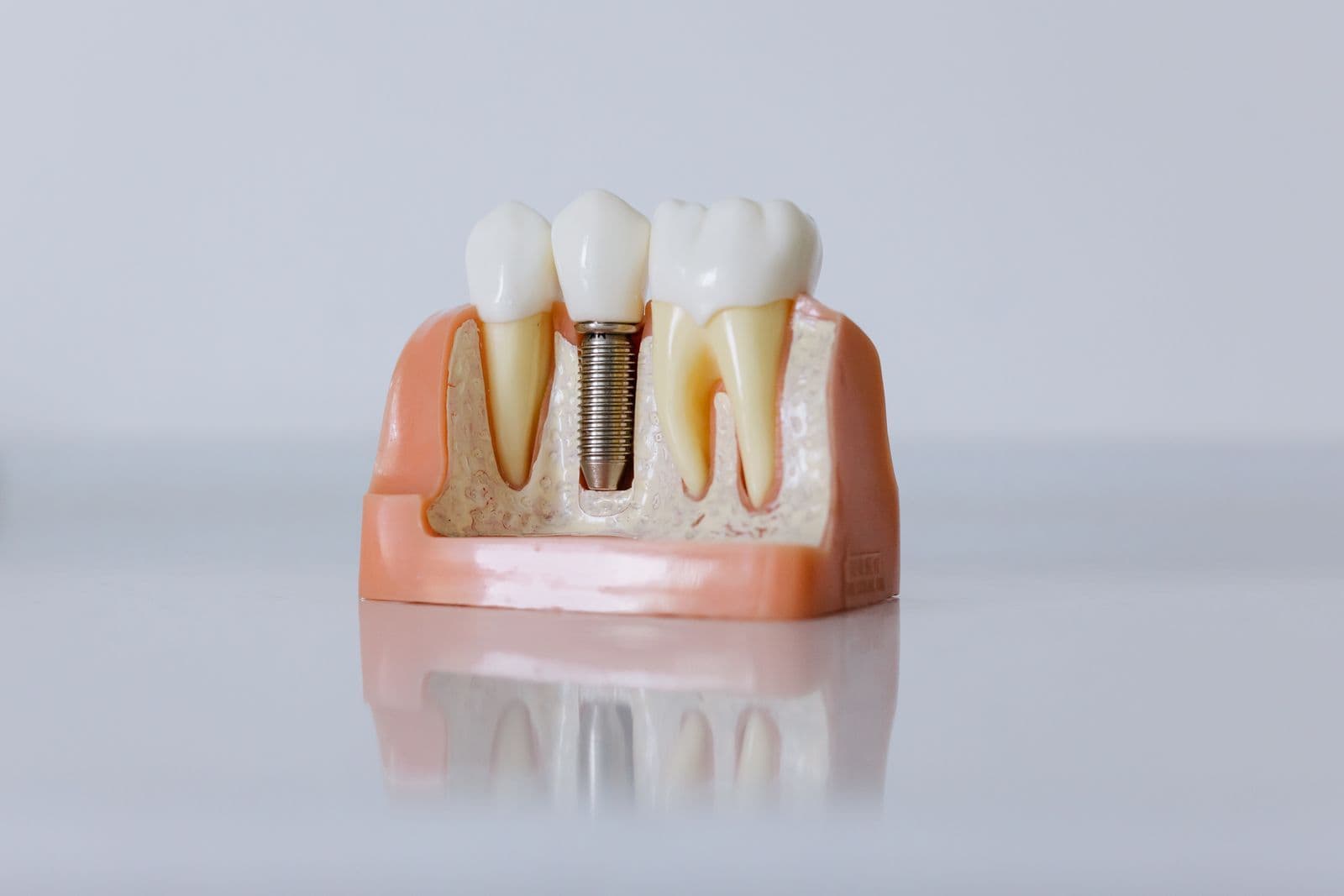
A simple tooth extraction at a private practice in Australia typically costs $180–350, with most patients paying around $260 (research to 7 Sept 2026). A surgical extraction, where the tooth is broken down or bone is removed, costs more, and sedation is extra. Medicare does not pay for extractions for adults, so the fee is private unless you qualify for a public dental clinic.
Tooth extraction cost at a glance
Private-practice fees in local currency. The calculator below starts at the typical figure for the selected country. Select a row to switch country.
- Total before rebate
- $260
What affects the cost
- Whether the extraction is simple or surgical, which depends on how the tooth is positioned and how much is left.
- Which tooth it is: multi-rooted molars take longer than single-rooted front teeth.
- Whether a general dentist or an oral surgeon removes it.
- The type of anaesthetic and whether sedation is used.
- Whether a bone graft is placed at the same time to prepare for an implant.
- Whether the examination, x-ray and follow-up are included in the fee.
How this is calculated
- Total = teeth to remove × fee.
- Out-of-pocket = total − insurance or rebate.
- Ranges come from fees published by private practices in each country (research to 7 Sept 2026). An examination and written treatment plan are needed for an exact fee.
Insurance and rebates in Australia
There is no Medicare rebate for extractions, although eligible children can have them under the Child Dental Benefits Schedule and public dental clinics treat concession card holders with a wait. Under extras cover a simple extraction is general dental with a short waiting period, while a surgical extraction is usually major dental with a twelve-month wait, each paid up to the annual limit. Rebates are typically higher at your insurer's preferred providers.
Frequently asked questions
What is the difference between a simple and a surgical extraction?
A simple extraction removes a visible tooth with forceps under local anaesthetic. A surgical extraction involves cutting the gum, removing some bone or dividing the tooth, and costs more because it takes longer and may need stitches.
Should I have a bone graft when the tooth comes out?
If you plan an implant later, a socket graft at the time of extraction preserves bone and can avoid a bigger graft afterwards. It adds cost now but may save more later; ask your dentist to price both routes.
What does it cost to replace the tooth afterwards?
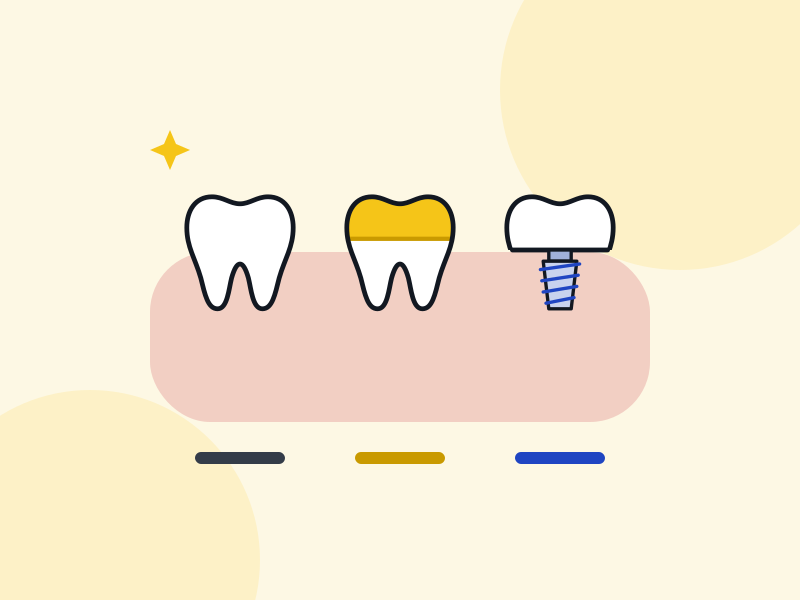
An implant, bridge or partial denture each cost far more than the extraction itself. Leaving a gap is free but lets neighbouring teeth drift, so ask what replacement is recommended before you decide.
Can the tooth be saved instead?
Often, with a root canal and crown, which costs more upfront but keeps your own tooth. Extraction is usually advised when the tooth is split, badly decayed below the gum or has lost too much bone support.
What after-care costs should I expect?
Usually none beyond painkillers and a review visit, which is often included. Complications such as dry socket may need an extra visit; ask whether that is charged.
Related calculators
All patient calculators- Wisdom tooth removal costEstimate what a wisdom tooth removal will cost you after any insurance or rebate.Open calculator →
- Dental implant costEstimate what a dental implant will cost you after any insurance or rebate.Open calculator →
- Dental bridge costEstimate what a dental bridge will cost you after any insurance or rebate.Open calculator →
Ranges researched to 7 Sept 2026. Last updated 18 Sept 2026. See our methodology.