Dental bridge cost calculator
Estimate what a dental bridge will cost you after any insurance or rebate.
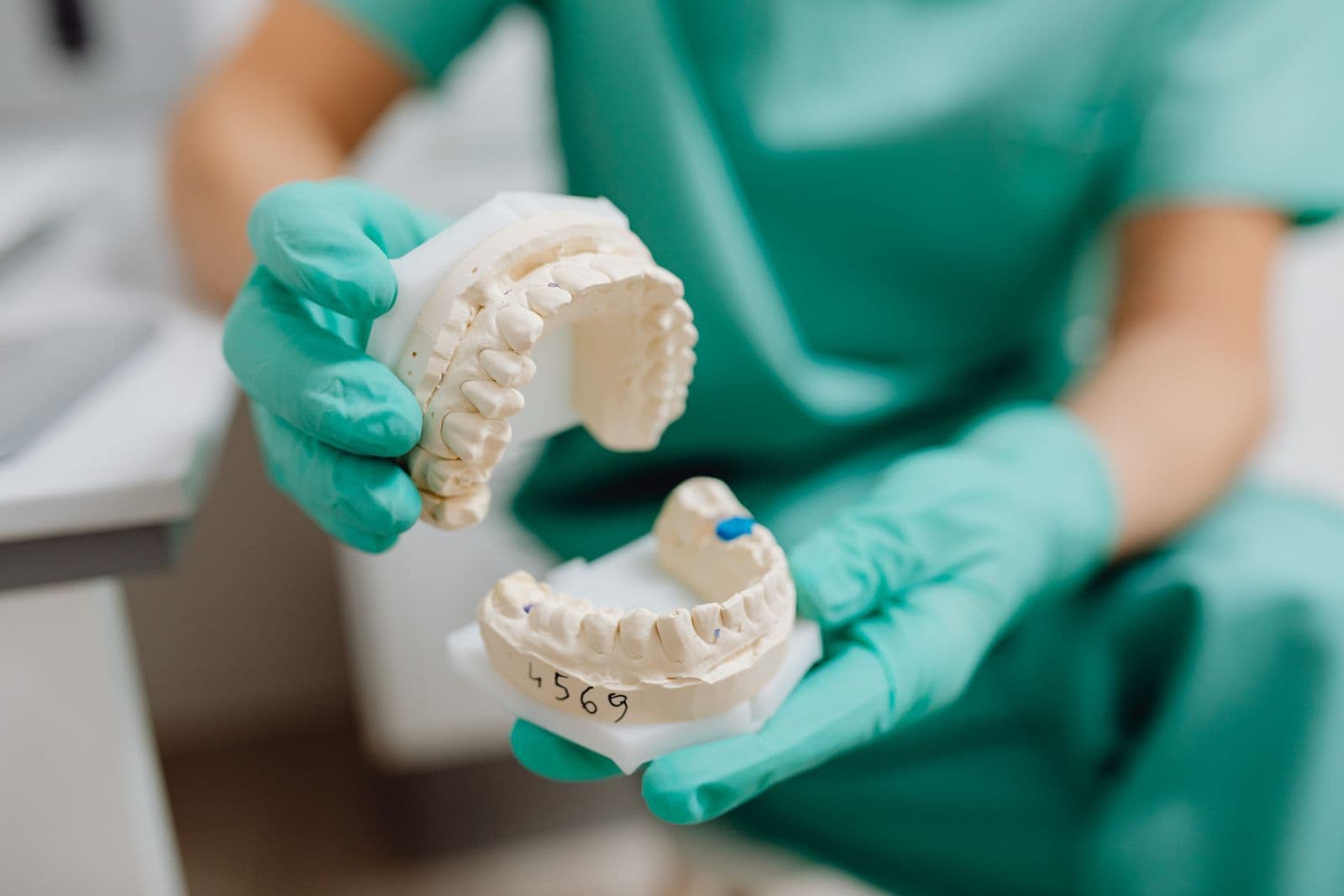
A bridge in Australia is priced per unit, and a three-unit bridge replacing one tooth has three units; typical fees are $1,500–2,500 per unit, with $2,000 a fair midpoint (research to 7 Sept 2026). Porcelain-fused-to-metal is usually cheapest; all-ceramic and zirconia cost more. Preparing the neighbouring teeth is included in the unit fee, but any root canal work on them is not.
Dental bridge cost at a glance
Private-practice fees in local currency. The calculator below starts at the typical figure for the selected country. Select a row to switch country.
- Total before rebate
- $2,000
What affects the cost
- Number of units: a bridge replacing one tooth is usually three units, and each extra missing tooth adds at least one more.
- Material: porcelain-fused-to-metal is cheapest; all-ceramic and zirconia cost more but look better at the front.
- Type: a resin-bonded (Maryland) bridge for a single front tooth is cheaper because the neighbours are barely prepared.
- Root canal treatment or build-ups on the supporting teeth are separate fees if they are needed.
- Implant-supported bridges add the cost of the implants but spare the neighbouring teeth.
- Lab quality and whether the technician is local or overseas affect both fee and fit.
- Where you live: specialist prosthodontists and city practices charge more than general dentists.
How this is calculated
- Total = bridges × fee.
- Out-of-pocket = total − insurance or rebate.
- Ranges come from fees published by private practices in each country (research to 7 Sept 2026). An examination and written treatment plan are needed for an exact fee.
Insurance and rebates in Australia
Medicare does not rebate bridges for adults. Private extras cover treats bridges as major dental, with a 12-month waiting period and an annual major-dental limit that usually caps the rebate well below the percentage on paper. Ask the practice for the item numbers so you can get a quote from your fund before you start.
Frequently asked questions
Bridge or implant: which is cheaper?
A bridge is usually cheaper upfront, but it needs the neighbouring teeth to be cut down and typically lasts ten to fifteen years, while an implant can last twenty or more. Put both figures into the Treatment Comparison Calculator to see the cost per year.
Why is a bridge priced per unit?
Each crown on a supporting tooth and each false tooth in between is a unit, and the lab charges for every one. A three-unit bridge replacing one tooth is two supporting crowns plus one false tooth.
How long does a bridge last?
Ten to fifteen years is typical, sometimes longer with careful cleaning under the false tooth. When it fails it is often because a supporting tooth decays, which can mean a bigger repair than the original bridge.
Does the fee include the temporary bridge?
Usually, but ask. Between the preparation visit and the fit you wear a temporary, and some practices itemise it separately along with x-rays and any build-up of the supporting teeth.
Can I get a bridge if the neighbouring teeth already have crowns?
Often, and those crowns are replaced as part of the bridge, which is one reason a bridge can be sensible when the neighbours are already heavily restored. If the neighbours are healthy and untouched, an implant avoids cutting them down.
Related calculators
All patient calculators- Dental implant costEstimate what a dental implant will cost you after any insurance or rebate.Open calculator →
- Dental crown costEstimate what a dental crown will cost you after any insurance or rebate.Open calculator →
- Dental treatment comparisonCompare two options — for example a bridge versus an implant — over the years you'll keep them.Open calculator →
Ranges researched to 7 Sept 2026. Last updated 18 Sept 2026. See our methodology.