Free and independent. Fee ranges researched to 18 Sept 2026.Methodology
THEDental BibleFind a calculator

Partial denture cost calculator (2026)

Estimate what a partial denture will cost you after any insurance or rebate.

Researched to 18 Sept 2026Private-practice fees5 countriesSources
Calculate my cost ↓
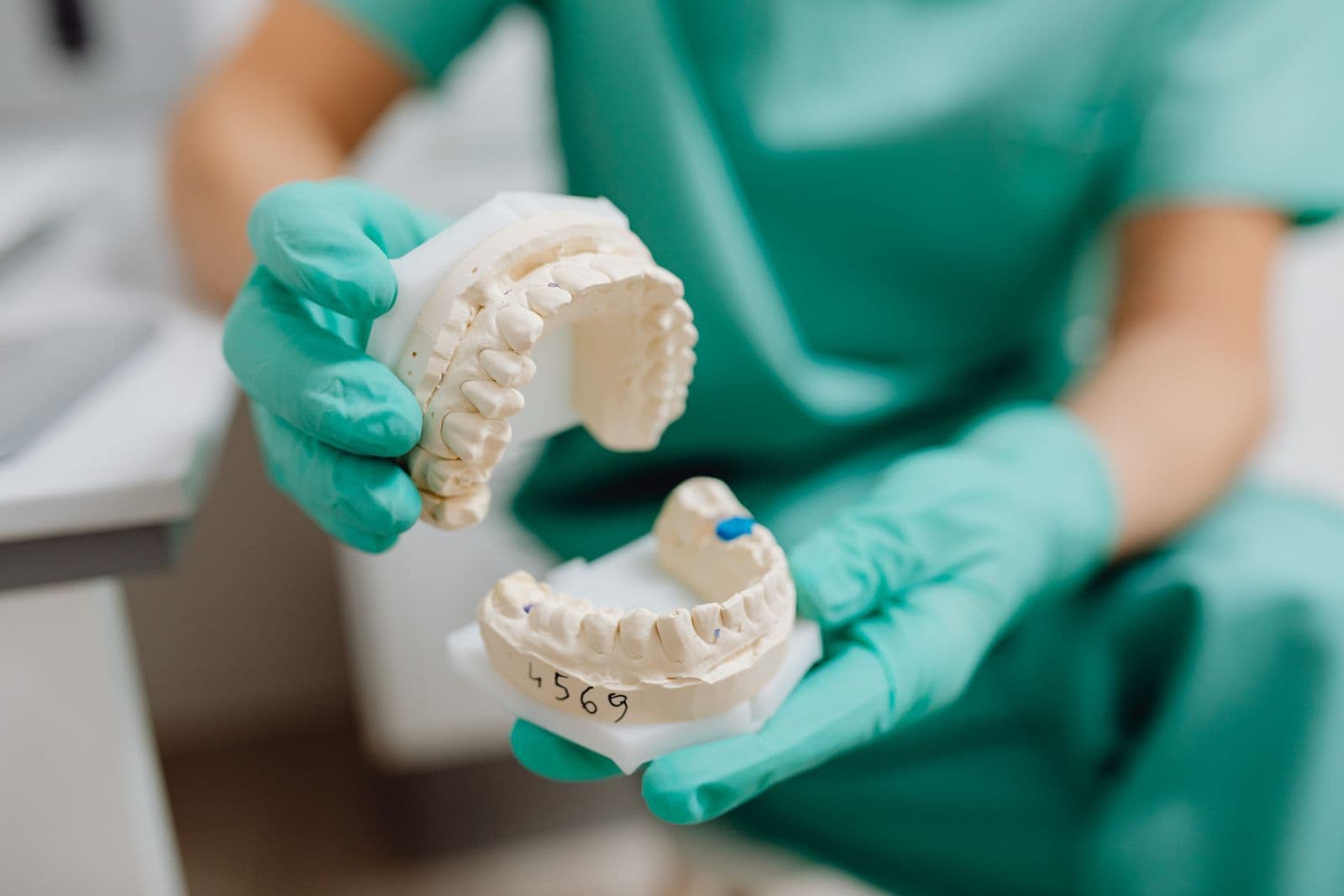
Dentist holding a dental cast of a full arch
In short

A partial denture for one arch costs AU$800–2,000 in Australia, NZ$1,110–1,950 in New Zealand, £500–1,300 in the UK, US$800–2,200 in the US and CA$700–2,500 in Canada at private practices, based on published fees researched to Sept 2026.

Partial denture cost at a glance

CountryPublished rangeTypicalConfidenceResearched toDetails
AU$800–2,000AU$1,400Limited7 Sept 2026Details
NZ$1,110–1,950NZ$1,530Good7 Sept 2026NZ page
£500–1,300£900High7 Sept 2026UK page
US$800–2,200US$1,500Good18 Sept 2026US page
CA$700–2,500CA$1,400Good18 Sept 2026CA page

Private-practice fees in local currency, each with the date it was researched to. Select a country to use it in the calculator below. The sources for every range are listed on this page, the methodology explains how ranges are built, and all ranges are in the open 2026 dataset.

1. Where are you being treated?
Estimated out-of-pocket cost$1,400Estimate for Australia · not advice
$800Your fee vs published range$2,000
Total before rebate
$1,400

Get this estimate as a PDF quote

We store your address and this estimate so we can send it. Privacy

Partial denture cost and cover by country

Partial denture cost in Australia

A partial denture at a private practice in Australia typically costs AU$800–2,000 per arch, with most patients paying around AU$1,400 (researched to 7 Sept 2026). Acrylic partials sit at the lower end and cast metal (cobalt-chrome) frameworks cost more, while extractions and later relines are charged separately. Dental prosthetists as well as dentists make partial dentures and see patients directly. Medicare does not pay for adult dentures, but Health Care Card and Pensioner Concession Card holders can use state public dental services, where waits can be a year or more.

Insurance and public funding

There is no Medicare rebate for adult dentures, so cover comes from extras policies that include major dental, which usually carries a twelve-month waiting period. Some funds give dentures their own benefit limit: HCF's Vital Extras, for example, covers partial and complete dentures with limits that renew every three years. Benefits are paid per item number, so ask for the item numbers on your quote and check what your fund pays for each. The Child Dental Benefits Schedule does not include dentures.

Partial denture cost in New Zealand

A partial denture in New Zealand typically costs NZ$1,110–1,950 per arch, and most patients pay around NZ$1,530 (researched to 7 Sept 2026). Acrylic partials cost less than cast metal frameworks, and any extractions or fillings needed first are extra. You can see a dentist or go directly to a registered clinical dental technician, who needs an oral health certificate from a dentist before making a partial. Adult dental care is not publicly funded, so the fee is private unless the teeth were lost in an accident covered by ACC.

Insurance and public funding

Health insurers treat dentures as major dental work: nib's Everyday plans contribute towards dentures after a twelve-month waiting period, refunding 60% of eligible dental costs up to $750 a year or 80% up to $1,000. If the teeth were lost in an accident, ACC pays towards replacing them, though you may pay part. Work and Income's non-recoverable dental grant of up to $1,000 a year excludes dentures, but it may help through recoverable assistance or an advance payment of benefit.

Partial denture cost in New Zealand: local guide and FAQs →

Partial denture cost in the UK

A private partial denture in the UK typically costs £500–1,300 per arch, with most patients paying around £900 (researched to 7 Sept 2026). On the NHS in England, a denture made from plastic or metal is a Band 3 treatment costing £332.10, which also covers any fillings or extractions in the same course. Private fees buy a wider choice of materials, and a clinical dental technician can make a partial denture only on a dentist's prescription.

Insurance and public funding

NHS charges in England are Band 1 £27.90, Band 2 £76.60 and Band 3 £332.10, and dentures are Band 3; under 18s, pregnant women and new mothers, and people on certain benefits pay nothing. In Scotland, paying patients contribute 80% of the NHS fee up to £384 per course, and treatment is free for everyone under 26. Replacing a lost or broken NHS denture in England costs £99.60, even if you are normally exempt. Health cash plans and dental insurance may refund part of a private denture up to an annual limit.

Partial denture cost in the UK: local guide and FAQs →

Partial denture cost in the US

A partial denture in the US typically costs US$800–2,200 per arch, with most patients paying around US$1,500 (researched to 18 Sept 2026). Acrylic partials sit at the lower end and cast metal or flexible partials higher, while extractions and later relines are billed separately. Original Medicare does not cover dentures, though Medicare Advantage plans may offer some dental benefits, so most people pay through a dental plan or out of pocket.

Insurance and public funding

Most PPO plans treat dentures as a major service, often paid at around 50% after the deductible, and the annual maximum, typically $1,000 to $2,000, caps the total the plan pays. If your dentist recommends a fixed bridge, a plan with an alternate benefit clause may pay only what it would for a removable partial denture, leaving the difference to you. Dentures are listed in IRS Publication 502, so HSA and FSA funds can cover the balance.

Partial denture cost in the US: local guide and FAQs →

Partial denture cost in Canada

A partial denture in Canada typically costs CA$700–2,500 per arch, with most patients paying around CA$1,400 (researched to 18 Sept 2026). Acrylic partials cost less than cast metal frameworks, fees vary by province, and both dentists and denturists can bill the Canadian Dental Care Plan for them. Provincial health plans do not cover dentures for most adults, although some provinces run programmes for low-income seniors; Ontario's Seniors Dental Care Program, for example, partially covers dentures.

Insurance and public funding

Employer plans usually list dentures under major services and reimburse a share of a provincial fee guide amount up to an annual maximum. The Canadian Dental Care Plan covers partial dentures for residents with no access to private dental coverage and an adjusted family net income under $90,000, but a first partial needs preauthorisation and the plan funds one acrylic partial per arch every five years or one cast partial every eight. It pays 100%, 60% or 40% of its own fee by income, and precision-attachment partials are excluded.

Partial denture cost in Canada: local guide and FAQs →
What affects the cost

  • The material: an acrylic base is the cheapest option, while a cast cobalt-chrome or flexible framework costs more.
  • How many teeth the denture replaces and how complex its design is.
  • Whether extractions, fillings or gum treatment are needed first, since remaining teeth must be healthy enough to support a partial.
  • Whether you need an immediate partial fitted straight after extractions, which may need adjusting or replacing as the gums heal.
  • Who makes it: a dentist, or a dental prosthetist, clinical dental technician or denturist working directly with patients.
  • Whether follow-up adjustments and the first reline are included in the quote or charged separately.

How this is calculated

  1. Total = arches (1 or 2) × fee.
  2. Out-of-pocket = total − insurance or rebate.
  3. Ranges come from fees published by private practices in each country (researched to 7 Sept 2026). An examination and written treatment plan are needed for an exact fee.
Partial denture

Frequently asked questions

Is an acrylic or a metal partial denture better value?

An acrylic partial is the cheaper option and is often used as an immediate or transitional denture. A cast metal partial costs more but is treated as a longer-term appliance; Canada's public dental plan, for example, replaces cast partials less often than acrylic ones. Ask your dentist which suits your remaining teeth and how long each is expected to last.

Is a partial denture cheaper than a bridge or an implant?

Usually, at least upfront, because one partial denture can replace several teeth on the same arch, while bridges and implants are priced per unit or per tooth. Some insurers pay only the partial denture amount even when a bridge is chosen. Compare the options over time, including relines and replacement, before deciding.

How long does it take to get a partial denture?

It usually takes a few weeks from taking moulds or a scan to the fitting appointment, while immediate dentures can often be made within a few days. Allow extra time if extractions or fillings are needed first, or if your insurer or public plan requires approval before work starts.

Will a partial denture need adjusting after it is fitted?

Usually. It can take a few weeks to get used to a new denture, and it may need small adjustments in that time. Gums and bone change shape over the years, so relines or a replacement come later, and immediate dentures often need adjusting or replacing within about a year. Ask whether early adjustments are included in the fee.

Can I get a partial denture if I have decay or gum disease?

Usually not until it is treated. A partial denture rests on and clips to your remaining teeth, so decay and gum disease are normally dealt with first; Canada's public dental plan, for example, requires all basic treatment to be complete before it will fund a partial. Budget for that treatment alongside the denture itself.

Sources

Fee ranges come from fees that private practices publish, in local currency, each with the date it was researched to. Every range is also in the open 2026 dataset, and the methodology explains how ranges are built and graded.

Partial denture fees in Australia: AU$800–2,000, researched to 7 Sept 2026

From the master benchmark of 582 fees published by 63 private practices in Australia, researched to 7 Sept 2026.

Partial denture fees in New Zealand: NZ$1,110–1,950, researched to 7 Sept 2026

From the master benchmark of 554 fees published by 45 private practices in New Zealand, researched to 7 Sept 2026.

Partial denture fees in the UK: £500–1,300, researched to 7 Sept 2026

From the master benchmark of 936 fees published by 58 private practices in the UK, researched to 7 Sept 2026.

Related calculators

All patient calculators
Embed this calculator

Add it to your practice website. It stays up to date with each round of research, resizes itself and links back here.

Ranges researched to 18 Sept 2026; insurance rules checked 18 Sept 2026. Last updated 10 Nov 2026. See our methodology.