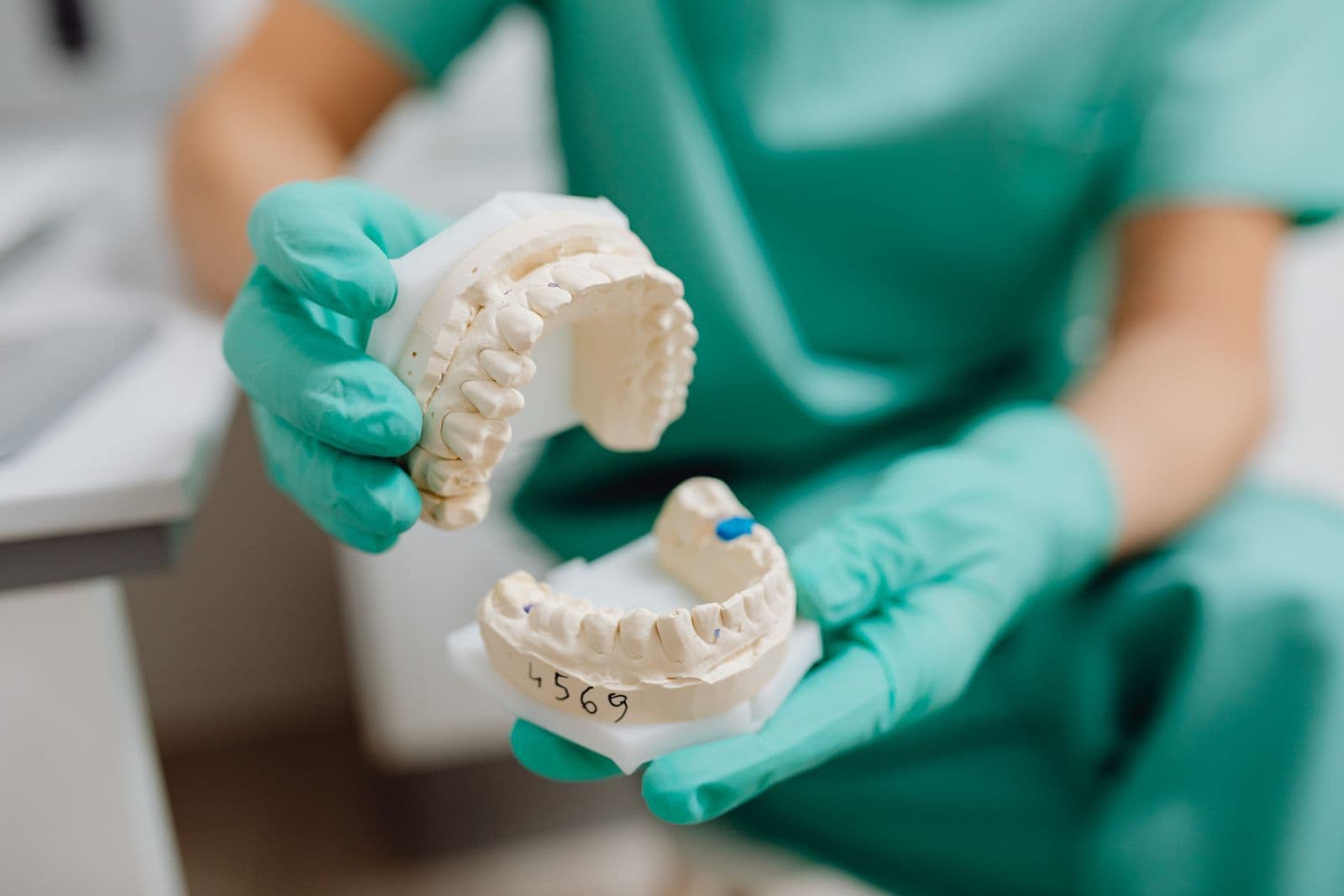
Filling cost in Australia
A composite (white) filling at a private practice in Australia typically costs AU$200–350 per tooth, with most patients paying around AU$280 (researched to 7 Sept 2026). The fee rises with the number of tooth surfaces filled, so a small one-surface filling sits at the lower end and a large back-tooth filling near the top. The examination and any x-rays are charged as separate items. Medicare does not cover adult dental care, although eligible children can have fillings under the Child Dental Benefits Schedule and adults with a concession card can use public dental clinics.
Insurance and public funding
Fillings are claimed through extras cover, not Medicare. Most funds list simple fillings under general dental, which carries a short waiting period of two months at many funds, while complex or indirect fillings sit under major dental with a twelve-month wait. Your fund pays a set benefit or percentage per item up to an annual limit, so ask the practice for the item numbers and check the benefit before treatment. The Child Dental Benefits Schedule covers fillings for eligible children, up to $1,158 per child over two calendar years.
Filling cost in Australia: local guide and FAQs →
Filling cost in New Zealand
A composite (white) filling at a private practice in New Zealand typically costs NZ$170–520 per tooth, and most patients pay around NZ$340 (researched to 7 Sept 2026). Larger fillings that cover more tooth surfaces cost more, and the examination and x-rays are usually charged on top. Dental care, including fillings, is publicly funded until your 18th birthday, but adults pay privately, and there is no fixed or recommended fee scale for private dentists.
Insurance and public funding
Health insurers sell day-to-day cover that refunds part of general dental costs, including fillings. For example, nib's Everyday plans pay 60% or 80% of eligible dental costs up to $750 or $1,000 a year after a two-month waiting period, and Southern Cross HealthEssentials pays 75% of dental treatment up to $500 a year after three months. If a filling is needed because of an accident, ACC pays towards it and you may pay part. Work and Income can grant up to $1,000 a year for immediate and essential treatment such as fillings.
Filling cost in New Zealand: local guide and FAQs →
Filling cost in the UK
A private composite (white) filling in the UK typically costs £130–410 per tooth, with most patients paying around £270 (researched to 7 Sept 2026). On the NHS in England, every filling in one course of treatment is covered by the single Band 2 charge of £76.60, and white fillings are provided when clinically necessary, for example on front teeth. For a back tooth the NHS may offer a silver amalgam filling instead, so a white filling there is often a private choice.
Insurance and public funding
NHS dental charges in England are Band 1 £27.90, Band 2 £76.60 and Band 3 £332.10, and fillings fall in Band 2; under 18s, pregnant women and new mothers, and people on certain benefits pay nothing. In Scotland examinations are free, paying patients contribute 80% of the NHS fee up to £384 per course, and treatment is free for everyone under 26. Private fillings can be included in a practice capitation plan such as Denplan Care, or partly refunded by a health cash plan or dental insurance up to an annual limit.
Filling cost in the UK: local guide and FAQs →
Filling cost in the US
A composite (white) filling in the US typically costs US$100–300 per tooth, with most patients paying around US$200 (researched to 7 Sept 2026). The fee depends mainly on how many surfaces of the tooth are filled and whether it is a front or back tooth, and the exam and x-rays are billed under separate codes. Original Medicare does not cover fillings, so most adults pay through an employer dental plan, an individual policy or their own pocket.
Insurance and public funding
Many PPO plans follow a 100-80-50 pattern, and fillings are a basic service usually paid at around 80% after the deductible, up to an annual maximum that typically falls between $1,000 and $2,000. Many plans also have an alternate benefit (least expensive alternative treatment) clause that pays a white filling on a back tooth at the cheaper amalgam rate, leaving you the difference. Fillings are listed as dental treatment in IRS Publication 502, so HSA and FSA funds can cover the balance.
Filling cost in the US: local guide and FAQs →
Filling cost in Canada
A composite (white) filling in Canada typically costs CA$200–400 per tooth, with most patients paying around CA$300 (researched to 7 Sept 2026). Fees vary by province and by the number of surfaces filled, and many offices start from their provincial dental association's suggested fee guide, which dentists are not required to follow. Provincial health plans do not cover routine fillings for most adults, although Quebec's RAMQ covers grey amalgam fillings on back teeth for children under 10.
Insurance and public funding
Employer plans usually treat fillings as basic restorative services and pay a percentage of a provincial fee guide amount, sometimes from an earlier year's guide, so a gap can remain. The Canadian Dental Care Plan covers permanent fillings without preauthorisation for residents with no access to private dental coverage and an adjusted family net income under $90,000, paying 100%, 60% or 40% of its own fees depending on income. It covers each tooth surface once in any 24 months, and you pay any difference between the CDCP fee and the office fee.
Filling cost in Canada: local guide and FAQs →